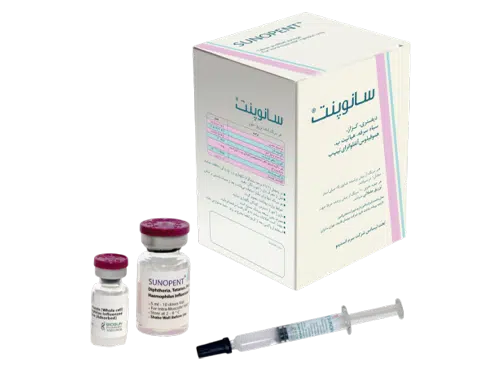
A vaccine is a type of treatment aimed at stimulating the body’s immune system to combat infectious pathogens, such as bacteria and viruses. Vaccines are “clever decoys”; they function by making the body believe it has been infected, thereby simulating an immunization response. According to the World Health Organization (WHO), vaccines are “one of the most effective ways to prevent diseases.” Vaccines have been with us for years, and the knowledge in this field has become more comprehensive and complex over time.
Vaccination plays a significant role in reducing healthcare costs and improving the quality of life. Consequently, health managers in developed countries invest a vast portion of their resources in vaccine production and prevention, which subsequently prevents overwhelming medical expenses and complications. According to WHO and UNICEF, after the provision of safe water, vaccination is the most important public health intervention for ensuring community health.
In our beloved country, although steps have been taken by active institutions and companies in this field, the production of modern vaccines—especially those required for daily and essential national needs—still demands serious and effective action. Despite the brilliant history of this industry in the country, the establishment of proper infrastructure and platforms for developing technical knowledge and manufacturing these vaccines has occasionally been overlooked.
Vaccination plays a significant role in reducing healthcare costs and improving the quality of life. Consequently, health managers in developed countries invest a vast portion of their resources in vaccine production and prevention, which subsequently prevents overwhelming medical expenses and complications. According to WHO and UNICEF, after the provision of safe water, vaccination is the most important public health intervention for ensuring community health.
In our beloved country, although steps have been taken by active institutions and companies in this field, the production of modern vaccines—especially those required for daily and essential national needs—still demands serious and effective action. Despite the brilliant history of this industry in the country, the establishment of proper infrastructure and platforms for developing technical knowledge and manufacturing these vaccines has occasionally been overlooked.


Therefore, in all manufacturing centers, Health, Safety, and Environment (HSE) management systems are implemented in accordance with modern global standards and international regulations. These systems include identifying and managing production process risks, determining Occupational Exposure Limits (OELs) for biological agents, and drafting precise safety protocols to prevent accidents and contamination.
Other vital components of these systems include the use of Personal Protective Equipment (PPE), continuous personnel training, and the application of advanced cleaning and sterilization technologies. These measures provide a secure working environment for staff and minimize the risk of product or environmental contamination. Technologies such as classified cleanrooms and automated Cleaning-in-Place (CIP) and Sterilization-in-Place (SIP) systems are among the technologies that guarantee this objective.
Furthermore, the implementation of crisis management and rapid response plans, regular health monitoring, and accurate incident reporting for early problem detection are essential parts of HSE standards. These approaches ensure that vaccine production not only guarantees product quality and safety but also provides a reliable and sustainable working environment for employees and the community.