
Multiple Sclerosis (MS) is a long-term lifelong disease associated with abnormal immune system activity that leads to the destruction of the myelin sheath of nerve fibers in the central nervous system. Interferon beta is a protein naturally present in the human body. It has been determined that Interferon beta likely acts through modulating the immune system response in controlling MS and causes a reduction in the number and severity of attacks, disease relapses, and delays the progression of the patient’s physical disability, although its exact mechanism of action remains unknown. The effects of this medication usually do not appear immediately, but the patient must continue its consumption regularly to achieve the desired effects and must not stop its use under any circumstances. Given that the main cause of this disease remains unknown, it is natural that no definitive cure for MS has been found so far.
When using Sunrif, basic principles of medication injection must be followed, which include:
Periodically rotating the injection site The first injection of Sunrif must be performed under the supervision of the treating physician. If you must use less than the full dose according to the doctor’s instructions, slowly push the syringe plunger inward until the amount of medication remaining in the syringe reaches the amount prescribed by the doctor. Sunrif syringes must be kept in the refrigerator at a temperature of 2-8°C, and freezing of the syringes must be avoided.
The use of Sunrif is contraindicated during pregnancy. If a woman with MS is of childbearing age and is currently taking Sunrif, she must use effective methods of contraception. Furthermore, if a patient plans to become pregnant in the future, she must consult with her physician in advance. To date, there is no definitive answer as to whether Interferon enters breast milk during the breastfeeding period. Therefore, in the event of breastfeeding, the patient must consult her treating physician. The doctor will make a decision for the patient by considering the balance of benefits and risks of continuing the medication.
History of hypersensitivity reactions to Interferon beta or any of the ingredients in the medication’s composition, including symptoms such as shortness of breath, wheezing, swelling, etc.
Usually, as a result of using Interferon beta, flu-like symptoms occur. These symptoms include headache, fever, chills, fatigue, joint and muscle pain, and nausea. Of course, injection site reactions such as redness, swelling, discoloration, inflammation, pain, and skin necrosis are also possible. These symptoms are usually mild and are more common at the start of treatment with Sunrif; with continued use, these complications gradually decrease. If any of these unwanted complications are severe or persistent, the treating physician must be informed. Sometimes the doctor may prescribe pain medication for the patient or temporarily change their dose, but the patient cannot change the medication amount or stop its use without the doctor’s opinion under any circumstances. Also, in case of multiple lesions at the injection site or skin cracking due to swelling or fluid leakage at the injection site, a doctor should be consulted.
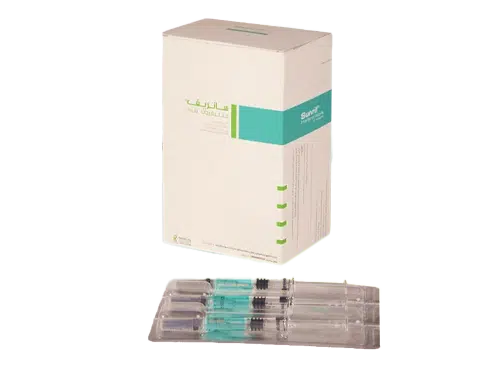
Sunrif injectable ampoules are usually supplied in standard pharmaceutical boxes containing several glass ampoules resistant to heat and impact. Each ampoule is placed individually in a protective compartment to prevent breakage, contamination, and leakage. The packaging is designed to make the transportation and storage of the medication simple and safe, and full medication information, including product name, dose, expiration date, and storage conditions, is legibly printed on the box.
Reviews
There are no reviews yet.